报告题目:Future of Global Biopharma: Evolving Landscape, Biomedical Innovations and Impactful Commercialization
主讲人:王亚明 博士(Alphabet Health Group, Founder & CEO)
主持人:许国强 教授
时间:12月3日(周三)13:30
地点:药学院2108会议室
报告人简介
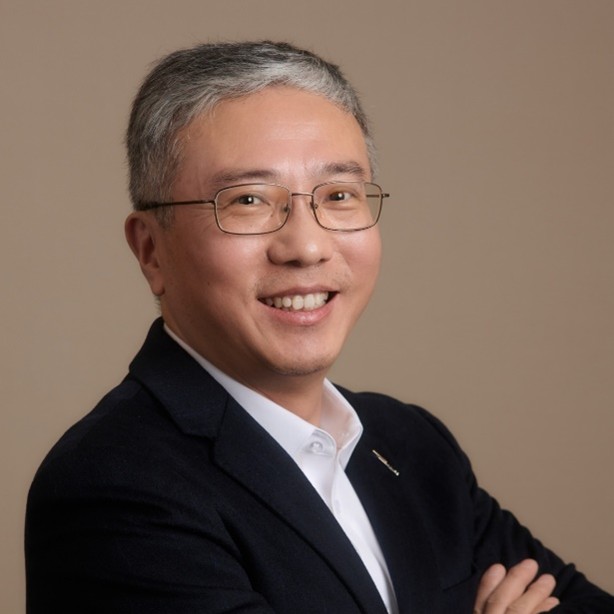
王亚明博士,现任美国Alphabet Health集团公司的创始人及首席执行官、中国生物医药产业链创新转化联合体(CBIITA)常务理事。王博士也是美国康奈尔大学创新与投资顾问、美国临床肿瘤学会会员。他于1995年在南京师范大学获得首批动物学博士,并于2002年在美国纽约大学医学院获得分子免疫与肿瘤学博士,之后任纽约大学医学中心的副研究员。进入业界后,王博士曾先后担任美国BGB Group的高级医学总监与英国Prime Global集团公司总经理、集团高级副总裁。王博士于2018年在美国纽约单独创办了Alphabet Health公司,主要从事生物医药商业化专业咨询。公司现已成为聚焦生物医药领域的全球性战略咨询公司,公司与多家MNC及众多专注细分领域的创新药企建立了战略合作关系。王博士还在顶级期刊上发表多篇论文,包括Nature、Immunity、Developmental Cell与Journal of Clinical Investigation。王博士具备超过20年以上的生物医药研发和咨询项目经验,对全球生物医药市场特别是欧美市场拥有深度洞察与战略远见。
报告摘要
Despite substantial progress in biomedical innovation and medical technologies, critical unmet medical needs persist globally. Demographic shifts, particularly aging populations, coupled with rising expectations for improved health outcomes, continue to drive demand for novel therapeutics and advanced medical technologies. Current projections estimate that the global pharmaceutical market will expand at an annual growth rate of 13.6%, reaching approximately $5.9 trillion by 2034.
China has emerged as a significant contributor to early-stage drug development and biomedical innovation. While scientific discovery and medical progress transcend national boundaries, the final stages of drug development often require localization to meet regulatory, cultural, and healthcare system-specific needs. The ongoing industrial transformation, accelerated by artificial intelligence, positions biopharmaceuticals and medical technologies as strategic priorities across multiple regions, including the Greater China region, the Gulf Cooperation Council, and Europe. The future of global biopharma will necessitate a “Think Globally, Act Locally” paradigm, supported by collaborative partnerships among academic institutions, industry stakeholders, investors and health systems worldwide.
Over recent decades, multinational pharmaceutical companies have markedly reduced investment in early-stage research, while academic and research institutions have intensified efforts in translational science—becoming primary drivers of biomedical and medtech innovation. Leveraging China’s rapid development capabilities, the traditional paradigm of drug development—characterized by the “$1 billion and 10 years” model—may soon be supplanted by more efficient, cost-effective approaches.